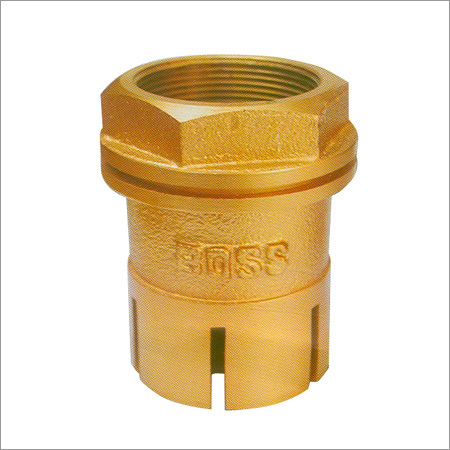
Cast Steel Parallel Valve About
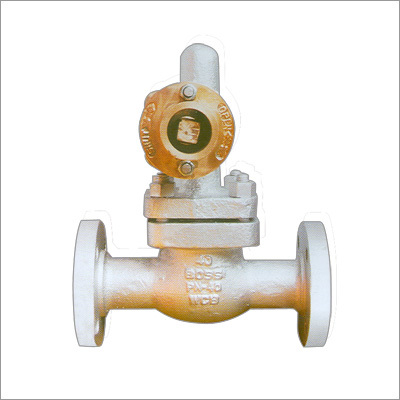
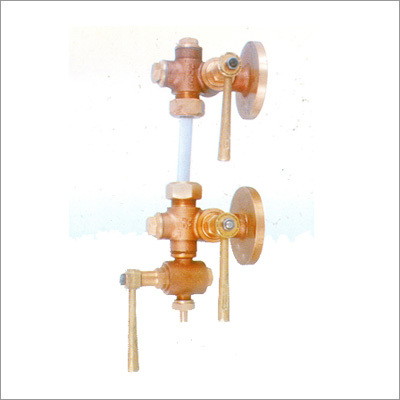
Cast Steel Parallel Blow Off Valve
Rack and pinion with monel/S.S seats, supplied with operating key. flanged ends as per BS Table J
Tested and suitability
- Suitable for Max. BOP: 350 psig
- Max. Service temperature: 400oC
- Body and seat test pressure: 700 psig. Hyd
- Suitable: Water and steam
Dimensions in mm
|
Inch
|
mm
|
Length
|
H
|
D
|
T
|
|
1
|
25
|
178
|
200
|
120.6
|
19.05
|
|
1-1/4
|
32
|
242
|
260
|
133.3
|
19.05
|
|
1-1/2
|
40
|
267
|
260
|
139.7
|
22.2
|
|
|
50
|
305
|
300
|
165.1
|
25.4
|
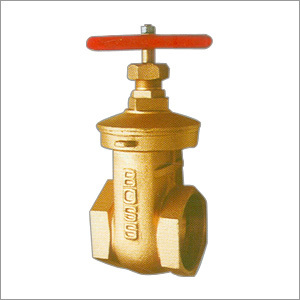
Precision and Safety in Industrial Fluid ControlEngineered to API 600 and BS 1414 specifications, this parallel slide gate valve guarantees accuracy and safety for industrial fluid, gas, and steam applications. Its hydrostatic testing per API 598 ensures structural integrity and leak-tight performance under high pressures. Featuring a durable cast steel body and metal seating, the valve is suitable for rigorous workloads and extreme conditions, making it a reliable choice for critical service lines.
Enhanced Sealing and High-Temperature ResistanceThe valves graphite packing provides superior sealing to withstand temperatures up to 425C. This feature, coupled with a bolted bonnet design, ensures leak prevention and easy maintenance. Full bore port design and flanged ends (ANSI B16.5) facilitate seamless fluid flow with minimal pressure drop, accommodating diverse requirements in industrial operations.
FAQs of Cast Steel Parallel Valve:
Q: How does the parallel slide gate valve operate and where is it best applied?
A: This valve uses a handwheel to manually operate parallel double discs for precise on/off control. It excels in industrial applications controlling water, steam, oil, or gasespecially where high temperature (up to 425C) or high-pressure (Class 150 to 600) conditions exist, such as power plants, refineries, and process industries.
Q: What benefits does the metal-seated parallel slide design offer?
A: Metal-to-metal seating in the parallel slide design provides robust sealing, minimal leakage, and enhanced lifespan even with fluctuating temperatures or harsh media. This makes the valve reliable for handling steam and abrasive fluids in critical industrial environments.
Q: When should a bolted bonnet with graphite packing be chosen for valve applications?
A: A bolted bonnet with graphite packing is ideal when the system demands excellent sealing at high temperatures. The graphite ensures tight shut-off even when exposed to thermal cycling, making it suitable for process lines dealing with hot gases or fluids.
Q: Where are the ANSI B16.5 flanged ends and ASME B16.10 face-to-face dimensions significant?
A: ANSI B16.5 flanged ends and ASME B16.10 face-to-face standards ensure compatibility for integrating the valve into existing pipework in industrial facilities. This simplifies installation and interchangeability with other compliant equipment.
Q: What is the process for maintaining a Cast Steel Parallel Slide Gate Valve?
A: Periodic inspection involves checking for seat and disc integrity, ensuring the packing remains tight, and monitoring for leaks. The bolted bonnet enables easy access for internal cleaning or part replacement, supporting smooth maintenance routines.
Q: How does the full bore design affect usage and system efficiency?
A: A full bore, or full port, allows fluid to flow through the valve without significant obstruction. This minimizes pressure loss and turbulence, ensuring efficient operation in pipelines where maintaining flow rate and pressure is crucial.
Q: What features make this valve suitable for exporters, importers, and manufacturers in India?
A: Built to international standards (API, ANSI, ASME), the valve is widely accepted in global markets. Its reliable materials, broad size range (2"24"), and robust manual operation meet diverse industrial requirements, making it an ideal option for international trade and domestic supply.